
HOME > News
How well do Car Window Roller Blinds hold up under real‑vehicle compound stress?
Rollersys builds multi‑dimensional pre‑qualification workflows for car window roller blinds, implementing vehicle‑simulated thermal‑vibration compound ageing, xenon‑arc UV exposure assessment and offset‑installation fit‑verification, discovering sample‑concealed reliability risks before bulk accessory shipments go out to global automotive‑accessory projects.
1. Compound thermal‑vibration ageing exposes torsion‑spring and end‑bracket progressive‑fatigue risks
Sample validation proceeds under static vibration‑free ambient‑temperature conditions. Inside real vehicles, roller‑blind hardware bears dual loads: drastic cabin temperature swings from winter frost to summer sun‑bake, plus persistent road vibration transmitted through door sheet‑metal. Repeated superposition of thermal‑expansion‑contraction and micro‑shock vibration causes incremental fatigue damage on torsion‑springs and plastic‑metal end‑bracket joints. Even samples passing static manual pull‑retract tests will suffer spring‑tension decay or bracket micro‑cracks after thousands‑of‑vehicle‑kilometres. Ordinary bench‑level manual‑operation checks cannot reproduce this combined‑stress failure‑mode. Rollersys runs compound thermal‑vibration accelerated ageing test rig simulating actual vehicle cabin working conditions. Post‑ageing tension‑retention and bracket‑integrity measurement screens marginal‑hardware lots, lowering field‑blind‑retraction‑failure complaints for aftermarket vehicle‑refit deployments.
2. Xenon‑arc UV‑exposure assessment uncovers fabric‑lamination and colour‑shift hidden‑hazards
Lab‑sample fabric stays protected away from long‑time intense solar irradiation. Once fitted inside car side‑windows, roller‑blind fabrics endure cumulative UV radiation mixed with high‑temperature cabin environment. Even visually intact fabric samples may contain unstable coating formula. After long‑term sunlight exposure, surface reflective‑layers delaminate, colour drifts significantly, and base‑fabric tensile strength declines. These cosmetic and functional degradations cannot be judged merely by inspecting brand‑new sample pieces. Rollersys carries out xenon‑arc accelerated UV‑ageing referencing DIN 75220 automotive interior test specifications. Post‑examination checks lamination integrity, colour‑delta and residual fabric‑tensile‑performance, avoiding mass‑batch colour‑fading and layer‑peeling issues for sunlight‑exposed vehicle‑cabin scenarios.
3. Offset‑mount fit‑verification guards against blind‑jamming triggered by vehicle‑door manufacturing tolerances
Sample‑stage assembly adopts ideal door‑frame datum with zero positional deviation. Mass‑produced vehicle‑doors inevitably hold minor dimensional tolerance spread. When installing car window roller blinds on different individual vehicle bodies, small misalignment occurs between left‑right end‑bracket mounting points. If roller‑blind internal structure leaves very little compensation margin, offset‑mount creates built‑in mechanical pre‑stress. During retract‑extend movement, the fabric roller will bind and produce scraping noise, even if each separate component meets drawing‑spec on samples. Rollersys simulates realistic door‑mount offset range coming from mainstream vehicle‑body tolerance bands, executing full‑stroke movement validation under skewed installation states, defining practical fit‑compensation boundaries for refit‑installation technicians.
4. Reciprocating full‑stroke cycle‑testing identifies hidden fabric‑edge fraying risks
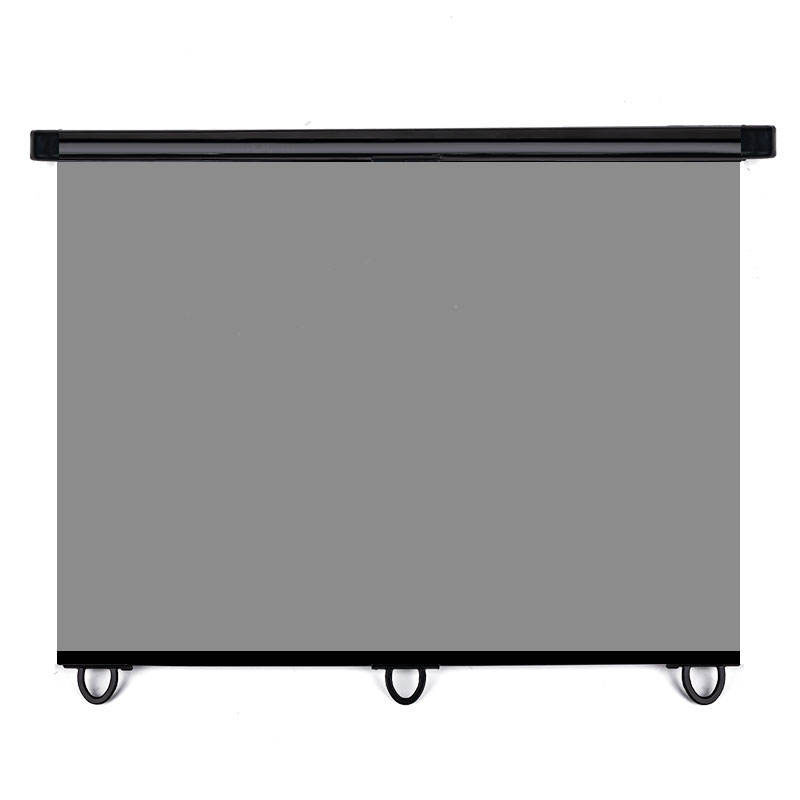
Sample evaluation only carries out limited pull‑and‑retract demonstration cycles. In real‑world usage, car window roller blinds complete thousands of reciprocating strokes within vehicle service‑life. Fabric edges continuously rub against roller‑end‑caps and guide‑slot inner walls. Subtle hardware‑burrs or insufficient edge‑sealing treatment on fabric gradually generate thread‑fraying that is invisible on new samples. As fraying accumulates, loose threads get caught inside rotating roller‑mechanisms and cause complete jamming. Rollersys implements high‑volume full‑stroke reciprocating cycle‑simulation for finished assemblies. Post‑cycle fabric‑edge inspection filters hardware‑burr and poor‑edge‑finish batches, minimising field‑thread‑entrapment malfunction probabilities.
5. Low‑temperature flexibility assessment prevents polymer‑component brittleness‑induced malfunction in cold‑climate regions
Sample‑product functional‑tests are completed at room‑temperature. In high‑latitude cold‑climate markets, vehicle‑interior temperature can drop far below zero degrees Celsius. Polymer end‑caps, guide‑slots and fabric‑coating layers turn brittle under sustained low‑temperature environment. Blind retracting‑mechanisms get stuck or plastic parts crack when users operate roller‑blinds in winter. Room‑temperature sample‑checks cannot expose cold‑climate‑related hidden‑defects. Rollersys executes low‑temperature‑chamber functional‑verification covering typical northern‑market winter‑temperature scope, confirming mechanism operability and polymer‑part impact‑resistance under chill‑conditions, expanding product‑adaptability for multi‑zone global aftermarket‑accessory supply.
6. Project‑oriented automotive‑grade traceability‑dossiers satisfy accessory‑tender third‑party‑audit requirements
Cross‑border automotive‑accessory public‑tender and large refit‑chain incoming‑QA audits demand complete component‑traceable technical‑documents, including ageing‑test summaries, fabric‑UV‑report, low‑temperature‑performance records. Isolated prototype‑sample‑test‑certificates possess no audit‑validity for serial‑production batches. Without lot‑specific English‑language compliance‑archives, car window roller‑blind shipments risk incoming‑batch rejection and delay accessory‑project delivery timelines. Rollersys compiles unified project‑tied traceability‑document‑packages containing above‑mentioned test‑data. Third‑party‑review‑ready archives eliminate documentation‑gap‑caused project‑hold‑up risks for global vehicle‑refit integrators and cross‑border automotive‑accessory wholesaler partners worldwide.
Previous :
-
Related News
- Can sample‑validated rails survive real‑site wind‑load cycles?
- How Can Roller Shutter Doors With Alarm System Improve Security and Operational Efficiency?
- Why Track-Guided Exterior Roller Shades Outperform Ordinary Outdoor Shades In Wind Resistance & Full Sealing?
- How Do Awning-Type Exterior Roller Shades Balance Wind Resistance, Ventilation & Long-Term Outdoor Service Life?
- Why Are Bank Roller Shutter Doors Essential for Modern Financial Security?
- Zip Screen: Defining the Next Generation of Interior Aesthetic Screens
Leave me a message